
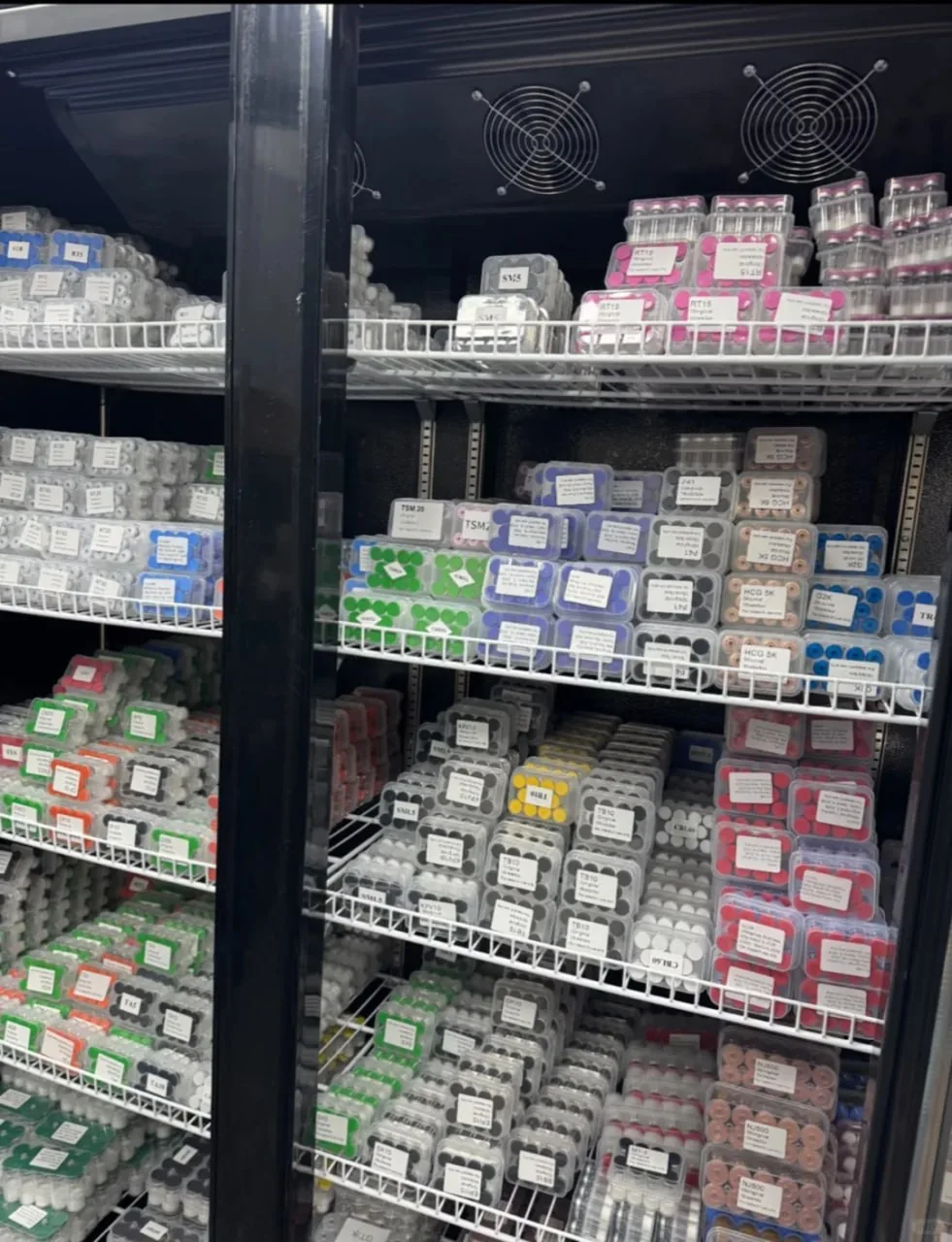
Follow the instructions for the actual sample
Follow the handling instructions agreed for the supplied sample and the receiving laboratory’s requirements. Record when the sample arrived, where it was held and any transfer relevant to the planned analysis. Do not assume that instructions for one peptide, formulation or analytical purpose apply to every other material. A handling record is especially useful when the report will be compared with earlier data.
Preserve information about handling changes
The mass-spectrometry assay recommendations discuss how peptide preparation and handling can affect analytical work. In a procurement project, use that principle to ask the laboratory what events need to be documented. If the sample was opened, divided or exposed to an unexpected condition, report the event accurately. Do not reconstruct missing details as if they were observed. A clear record helps the laboratory distinguish uncertainty about handling from questions about the original material.
Let the material and method determine the handling plan
Use product-specific instructions supplied for the actual material and the receiving laboratory's requirements. Avoid adopting a storage condition simply because it is common for another peptide. Record the container condition at receipt and any handling steps before examination. If a transfer or preparation is necessary, the laboratory should define it within the accepted method. This page supports planning and traceability; it does not prescribe a universal preparation procedure for materials with different sequences, formulations or intended analytical questions.
Control the identity of each derived portion
When material is divided, assign identifiers that preserve the link to the original specimen. Record the date, responsible person and purpose of the division. If portions are sent to different laboratories, clarify whether they came from the same original container or from separate containers of the same lot. Those are different sampling situations. Retain enough information to explain the relationship without assuming that every portion has experienced identical handling or represents an identical distribution of material.
Review interruptions and unknown conditions explicitly
If the handling history includes an undocumented interval, an unexpected opening or a storage discrepancy, record it before interpreting the analytical result. The laboratory can assess whether the event affects its work, while the buyer considers its relevance to the purchasing decision. Do not silently remove the event from the record because the final result appears satisfactory. Transparent handling records make it easier to distinguish a product question from a specimen-management question and to design a useful follow-up when needed.