
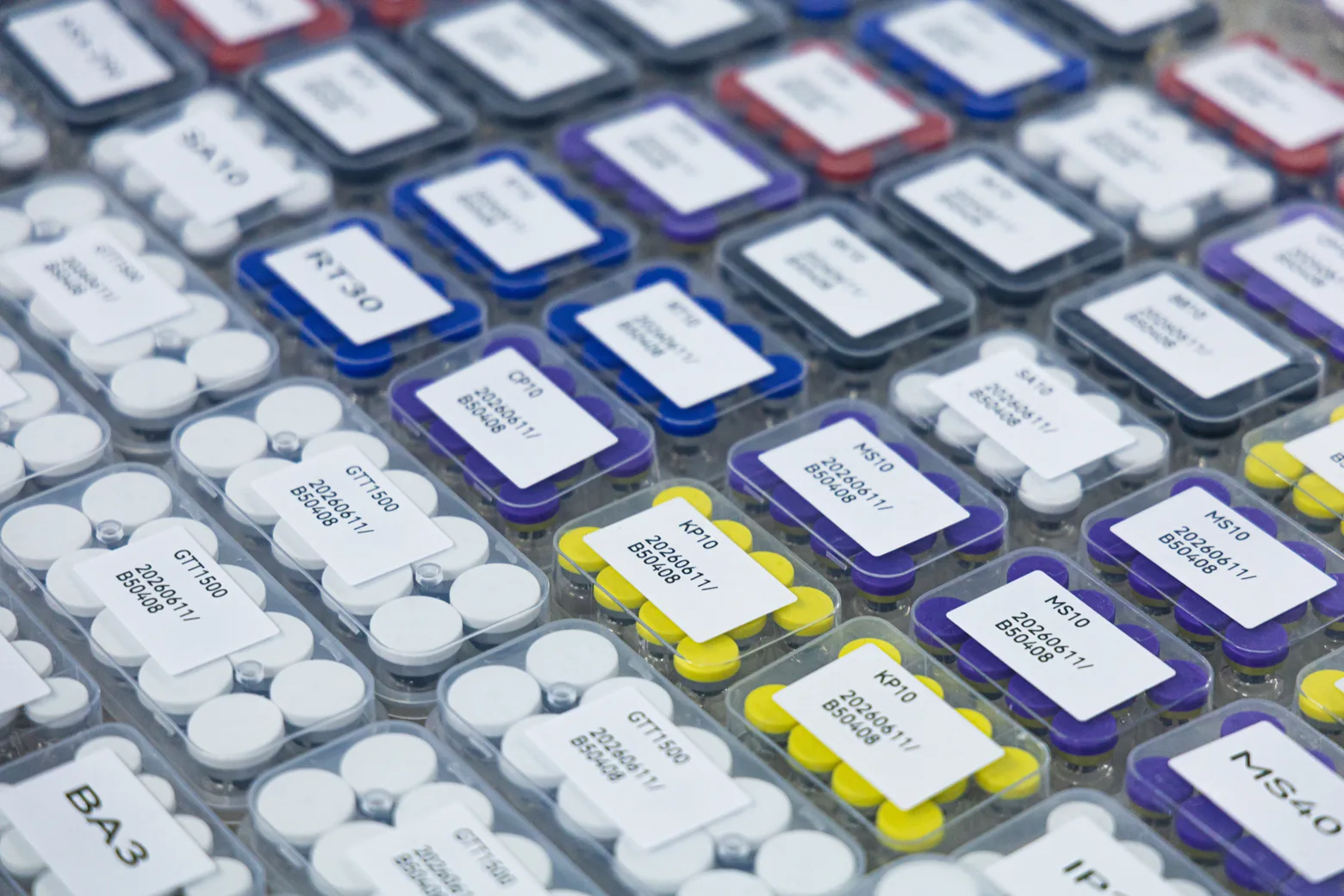
Give the sample a traceable reference
Sample identity is the connection between the material received, the portion submitted and the report returned. Record the product identifier, lot number, sample label and date of receipt. Photograph relevant identifiers before any relabeling. If the laboratory assigns its own code, retain a mapping between that code and the original product record.
Record every transfer that could cause ambiguity
Where a sample is divided or transferred, record who performed the action and how each portion was identified. Avoid reusing an old sample code for a different lot. If testing is arranged by a purchasing intermediary, make the relationship between buyer, sender and laboratory explicit. A report with an impressive result is difficult to use if nobody can establish which material was tested. The chain of custody should be proportionate to the project, but it should preserve enough information to reconstruct the path from the received item to the analytical result and the subsequent purchasing decision.
Protect the link when sharing information
If a report is shared with another department, preserve the sample code and the explanation of what material that code represents. Remove private details only in a way that leaves the technical identity understandable. Keep the complete original record available to the authorized reviewer. A public image can be deliberately limited, but the internal purchasing decision should remain traceable. This is particularly important when a business evaluates several lots or uses different laboratories over time and similar report filenames could otherwise cause confusion.
Use a record hierarchy that survives aliquoting
Distinguish the catalog product, supplier lot, physical vial, submitted sample and laboratory accession. They are related identifiers, not interchangeable names. A single product can have several lots, while a single lot can produce several submitted samples. If the laboratory divides a specimen, each derived portion should retain a connection to the parent. A simple identifier hierarchy makes it possible to understand which container generated a result without exposing commercial information that is unnecessary for the analytical work.
Record what changed between sender and laboratory
Document any repackaging, relabeling or transfer into another container. Note who performed it and why. A translated product description should supplement the original identifier rather than replace it. If a label becomes unreadable, resolve the discrepancy with the sender before assigning a confident identity. Photographs can support the handover record, but they do not replace the original lot information or establish the chemical identity of the contents. Preserve both the external package reference and the individual specimen identifiers.
Reconcile discrepancies before relying on a report
If the report uses a name or lot code different from the request, obtain clarification while the records are still available. Determine whether the difference is a transcription error, a laboratory naming convention or a genuinely different specimen. Keep any correction or amendment with the original document. An analytical result may be technically sound but unsuitable for a purchasing decision when the submitted sample cannot be linked to the offered material. Treat that traceability question separately from the measured analytical findings.