
Sample intake
Record the link between the original product, submitted sample and laboratory report throughout the evaluation.
Connect the exact sample to its lot, a clearly scoped laboratory brief and the evidence your procurement team needs before considering a bulk order.
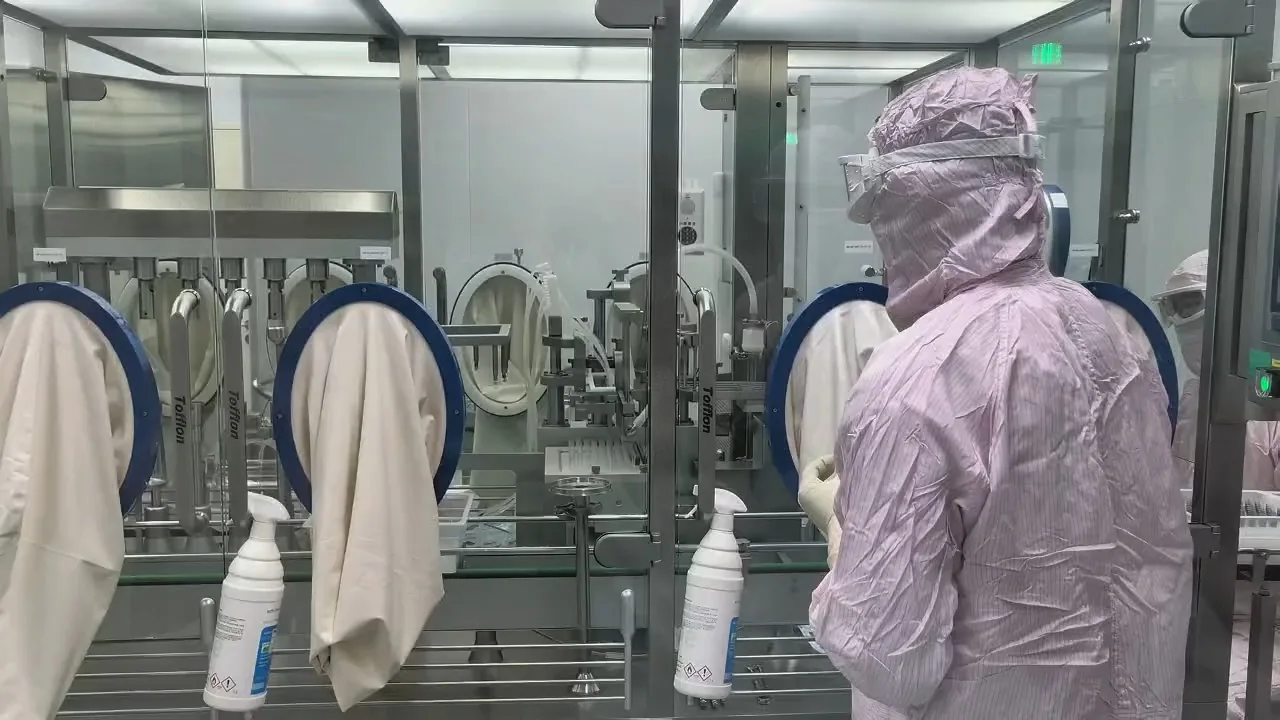
Record the link between the original product, submitted sample and laboratory report throughout the evaluation.
Translate purchasing questions into a laboratory discussion covering identity, purity, content and other relevant attributes.
Review sample identifiers, methods, reporting units and the scope of conclusions before using an analytical result.
Reconfirm the offered batch, specification and package presentation before using sample results in a larger purchase.
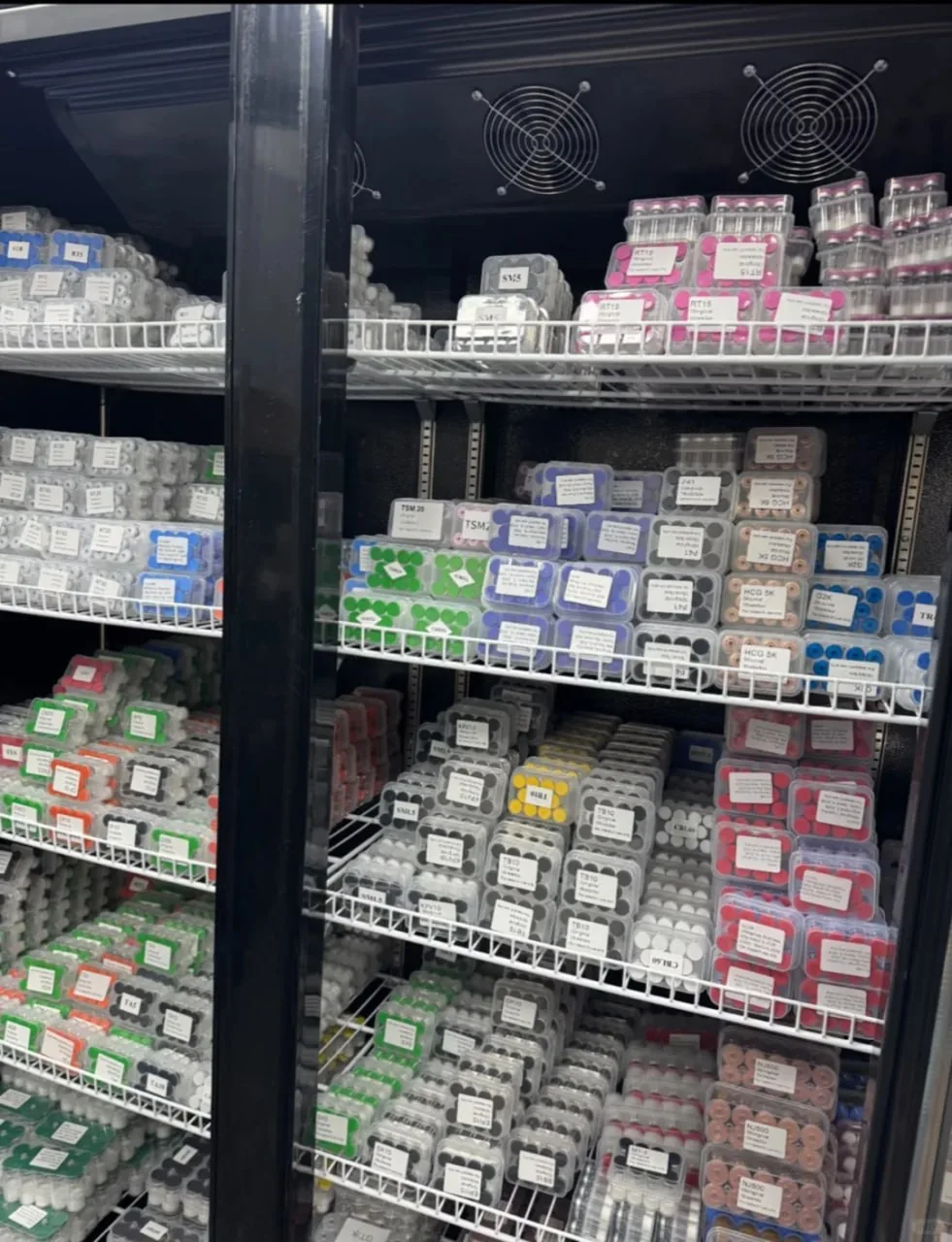



Peptide Sample Desk is a business website of Guangzhou Celsentra Biotechnology Co., Ltd.
No. 76 Fucong Road, Conghua District, Guangzhou, Guangdong, ChinaWorkshop area and equipment count are company-reported figures. Confirm the equipment and schedule for your specific project.
Use the same sample and lot references in the laboratory brief, report review and purchasing record.
Record the link between the original product, submitted sample and laboratory report throughout the evaluation.
Translate purchasing questions into a laboratory discussion covering identity, purity, content and other relevant attributes.
Reconfirm the offered batch, specification and package presentation before using sample results in a larger purchase.
Compare peptide reports by specimen identity, method, reference, calculation basis and scope before interpreting differences as changes in the supplied material.
Assign available samples to a primary laboratory, companion review and retention while preserving each unit's link to the same lot.
Compare two test quotations by sample scope, reporting basis, turnaround dependencies and what each laboratory will include in the final evidence pack.
Learn what a lot-specific supplier COA and an independent test report each represent, and how to reconcile their scope and sample identifiers.
Determine whether an unexpected result calls for report clarification, repeat analysis of retained material or a new representative sample.
A sample is useful when its identity and purpose are clear. A buyer may want to assess the offered batch, review a package, ask a laboratory to investigate a specific quality question, or compare a candidate with an existing specification. These are different objectives and may require different sample quantities and records. Define the decision before arranging the sample.
Celsentra accepts requests for individual product samples so buyers can organize their own evaluation. Send the exact product identifier, required specification, destination and proposed testing questions to contact@celsentrabiotech.com. Confirm the sample presentation with the receiving laboratory before dispatch. Keep the sample reference, lot identifier and supplied documents together. After testing, compare the result with your agreed acceptance criteria and review any differences between the tested sample and the material proposed for a larger order. A test result applies to the submitted sample and method; it should not be extended automatically to unrelated products, future lots or uses outside the evaluation.
A procurement team and a research laboratory may approach the same sample with different questions. Explain who will review the results and what evidence that person needs before a purchase can move forward. If the purpose is initially to understand available documentation, say so; if an analytical comparison is required, describe the comparison. Keeping the decision explicit helps avoid a sample arriving without a usable test instruction. It also helps the supplier understand which information should accompany the material from the beginning.
A useful sample request starts with the decision that the result must support. A buyer may need to check the identity of a named peptide, compare two lots, investigate an unexpected appearance, or decide whether an offered specification suits a research project. These are different questions. Writing down the decision first helps prevent a visually impressive analytical report from answering the wrong question. It also helps the laboratory explain what additional information, controls or preparation would be needed before accepting the work.
Connect the enquiry reference, selected product, actual sample identifier, source lot and laboratory accession number. The supplier's product name alone is not enough when several strengths or packaging formats exist. Where an aliquot is made, record the parent vial and the new aliquot identifier. A report should remain linked to the material that was actually examined, even after a replacement shipment or a repeat test. This record becomes particularly important if the sample later informs a larger purchase.
Review the report against the original question and the agreed acceptance criteria. An inconclusive result may require a better comparator, additional identification or clarification of sample preparation rather than an immediate pass or fail. A satisfactory result applies within the tested scope and does not establish every property of the material. Decide separately whether the commercial lot, packaging and documentation match the evaluated sample. Keep the resulting purchasing decision with the supporting report and any unresolved limitations.
Search the Celsentra COA library by product or lot. Compare the report identifier with the physical pack and the material you requested.
No. Your independent evaluation applies to the sample submitted and the laboratory’s agreed test scope. A supplier report can inform the request but does not determine its result.
Ask the laboratory after defining the analytical questions. Different methods and repeat measurements can require different quantities.
Not by itself. A chromatographic purity percentage and peptide content are different reporting quantities. Ask for the measurement basis relevant to your requirement.
A sample result does not automatically establish the properties of another batch. Define when new-lot review or additional sampling is needed.
That depends on your requirement. Where accreditation is relevant, verify that the requested activity is covered by the laboratory’s current scope.
Discuss this arrangement after the laboratory confirms acceptance. Provide its receiving instructions and retain the sample-to-lot mapping.
Review identity, handling, methods and reporting basis before drawing a conclusion. Ask the laboratories to explain whether the results are comparable and what additional evidence may help.
An analytical result answers a defined quality question about a submitted sample. It does not by itself establish authorization or suitability for every finished-product use.
The relationship should be documented rather than assumed. Record the parent specimen, each aliquot identifier and the relevant handling history. The laboratory should explain whether the preparation and submitted portion support the intended analytical conclusion.
Ask whether the reference lot, assigned value or qualification basis changed and how that affects comparison. Keep the reference information with each report. A difference may require interpretation even when the tested product and method name appear unchanged.
Request a clarification or formal amendment from the issuing laboratory instead of altering its report. Preserve the original and amended versions with the sample record so another reviewer can understand what changed and why.
First compare specimen identity, methods, references, units and calculation bases. Ask the laboratories which uncertainty remains and what follow-up would resolve it. A targeted clarification or complementary measurement may be more useful than repeating an undefined panel.
Share the cosmetic material, a lot reference when available, the receiving laboratory and the decision you need the sample to support.